

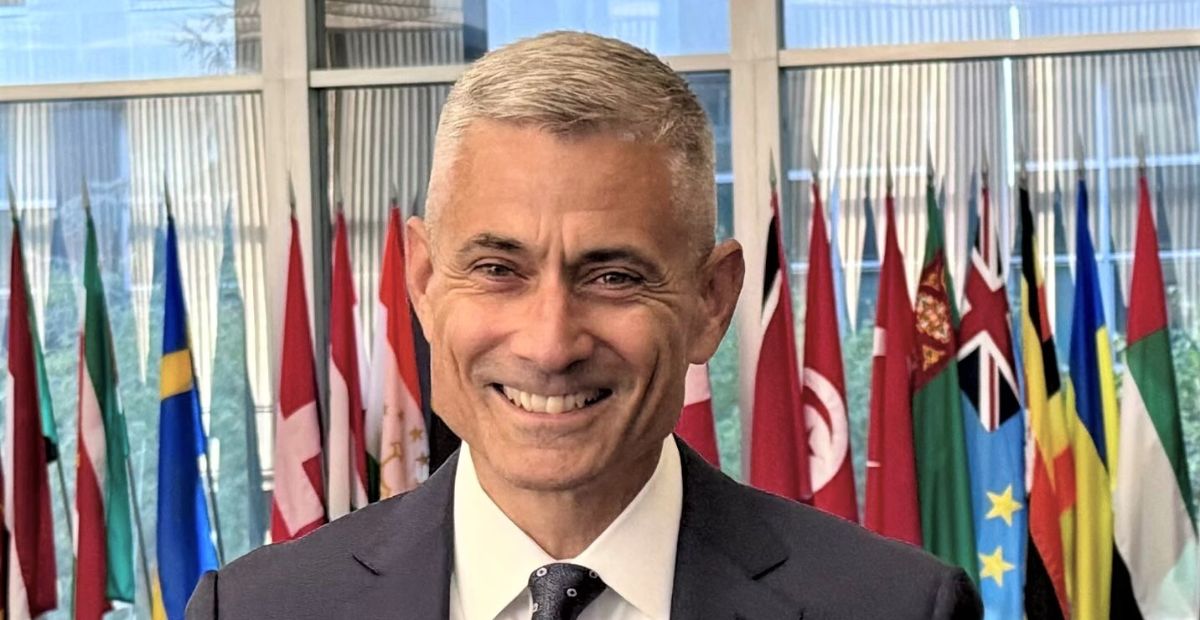
In a significant development, India-born Paul Kapur has officially been sworn in as the Assistant Secretary for the Bureau of South and Central Asian Affairs at the US Department of State. Announced via social media by the Bureau, Kapur’s appointment marks a pivotal moment in US diplomacy for the region. This role is not just ceremonial—it carries immense responsibility in shaping America’s engagement across South and Central Asia.
Paul Kapur’s Early Life and Background
Paul Kapur was born in New Delhi, India, to an Indian father and an American mother. Growing up with a multicultural background, Kapur developed a unique perspective on global affairs from an early age. His dual heritage has often been cited as a strong factor in his deep understanding of cross-cultural diplomacy and international relations.
Academic Journey
Kapur’s academic journey is nothing short of impressive. He completed his Bachelor’s degree from Amherst College, known for its rigorous liberal arts curriculum. He then pursued a PhD at the University of Chicago, where he honed his expertise in international security and strategic studies. His academic foundation has been critical in shaping his analytical and strategic capabilities.
Professional Career and Achievements
Before stepping into the role of Assistant Secretary, Kapur had a distinguished career in both academia and government service. He served as a professor in the Department of National Security Affairs at the US Naval Postgraduate School, where he trained future policymakers and military leaders. Additionally, he is a visiting fellow at Stanford University’s Hoover Institution, further solidifying his reputation as a leading expert in international security.
Role in US State Department
From 2020 to 2021, Kapur was part of the State Department’s Policy Planning Staff. His work focused on South and Central Asia, Indo-Pacific strategy, and strengthening US-India relations. During this time, he contributed to formulating policies that balanced diplomatic interests with regional security concerns—a skill that will be crucial in his new role.
Author and Security Expert
Kapur is also a prolific author and recognized security expert. He has written extensively on the security environment in South Asia and the Indo-Pacific, nuclear weapons proliferation, deterrence strategies, and Islamist militancy. His work provides deep insights into the complexities of regional politics and security threats.
‘Jihad as Grand Strategy’
One of Kapur’s most influential works is ‘Jihad as Grand Strategy: Islamist Militancy, National Security, and the Pakistani State’. In this book, he argues that Pakistan’s use of jihad is not a byproduct of instability but a deliberate strategy orchestrated by the state itself. The book has been widely referenced in policy and academic circles, reflecting Kapur’s profound understanding of South Asian geopolitics.
Appointment as Assistant Secretary
Kapur’s swearing-in was announced in a late-night social media post by the Bureau of South and Central Asian Affairs. This position puts him at the helm of America’s diplomatic engagement in the region, and he will oversee strategic partnerships in countries including India, Nepal, Pakistan, Sri Lanka, Afghanistan, Bangladesh, Bhutan, Kyrgyzstan, Kazakhstan, Maldives, Tajikistan, Turkmenistan, and Uzbekistan.
Responsibilities of the Role
As Assistant Secretary, Kapur’s responsibilities are vast. He will manage diplomatic relations, coordinate regional policies, and ensure that the US’s strategic interests are represented effectively. His role will involve balancing diplomacy, security concerns, and economic cooperation across diverse and often volatile regions.
Succeeding Donald Lu
Kapur succeeds Donald Lu, who has served as the Assistant Secretary since 2021. Lu’s tenure was marked by active engagement in regional security and diplomatic negotiations. Kapur is expected to maintain continuity while bringing fresh perspectives to the challenges and opportunities in South and Central Asia.
Strategic Importance of the Role
South and Central Asia are critical to global geopolitics. The region sits at the crossroads of economic corridors, energy routes, and security hotspots. For the US, strong engagement here is vital to counterbalance rival influences and promote stability.
India-US Relations
One of Kapur’s key priorities will likely be strengthening US-India relations. This includes collaboration on defense, trade, technology, and climate initiatives. His deep understanding of both American and Indian contexts makes him uniquely positioned to foster stronger bilateral ties.
Pakistan and Afghanistan
Kapur will also navigate delicate relations with Pakistan and Afghanistan, focusing on counterterrorism and regional stability. His expertise on Islamist militancy will be particularly relevant in shaping US policy and partnerships in these nations.
Central Asian Engagement
Beyond South Asia, Kapur will oversee US engagement with Central Asian countries like Kazakhstan, Uzbekistan, Kyrgyzstan, Tajikistan, and Turkmenistan. These nations are strategically important for energy, trade, and regional diplomacy, and Kapur’s role will be crucial in strengthening ties and promoting American interests.
Future Outlook
Paul Kapur’s appointment signals a forward-looking approach by the US Department of State. His blend of academic expertise, strategic insight, and practical experience is expected to enhance US diplomacy in a complex and dynamic region. Challenges remain, but Kapur’s leadership offers promise for more robust engagement and meaningful partnerships.
Conclusion
Paul Kapur’s journey from New Delhi to becoming the top US diplomat for South and Central Asia is remarkable. With a strong academic background, deep regional expertise, and experience in both government and academia, he is well-positioned to influence US foreign policy significantly. His appointment is not only a personal achievement but also a strategic step for US diplomacy in a critical part of the world.